Diesel
Diesel prices, refinery and export policy, and what fuel costs mean for rates.
65 stories, newest first · page 1 of 5

Spot rates rose again in the week ending Nov. 13 — but trucks came back to the board and every load-to-truck ratio fell
DAT put the broker-to-carrier van rate up $0.04 to $3.11 a mile and reefer up $0.04 to $3.70 for Nov. 7-13, while total equipment posts rose 9% to 187,501 and load posts fell 6% to 2.70 million — van's ratio eased to 9.6 from 10.9, reefer's to 17.7 from 19.0 and flatbed's to 33.3 from 42.3.
October truckload linehaul rates rose 9.9% from a year ago — and shipments grew for a third straight month
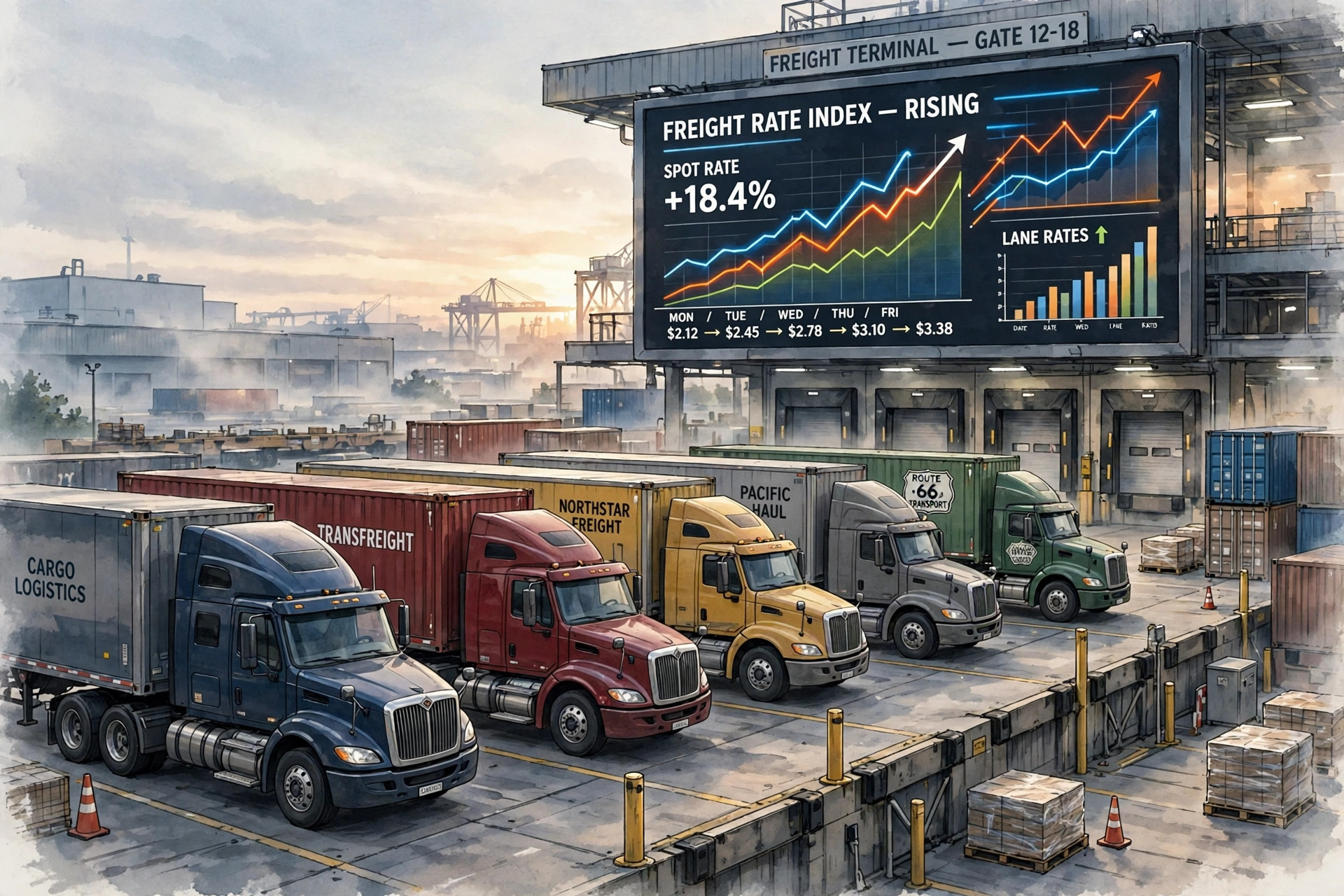
Cass Information Systems put October's truckload linehaul index up 0.9% from September and 9.9% year over year — the 22nd straight annual increase — with shipments up 5.9% from a year ago after 42 months of declines and total freight spend up 26.5%, its fastest growth since July 2022.
Spot rates jump to their highest since July — and fuel is not the reason
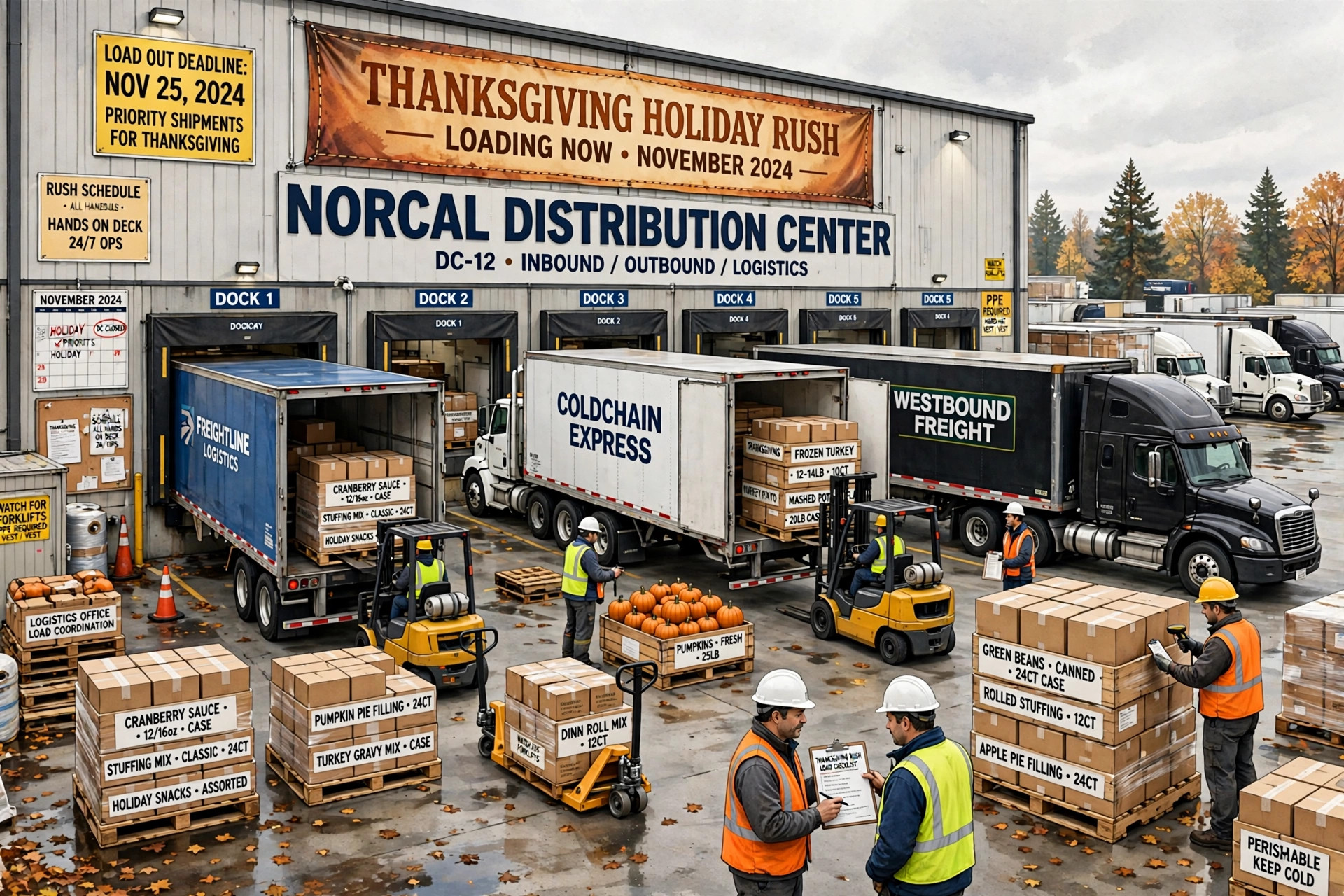
FreightWaves' National Truckload Index rose more than 4% since late October while diesel fell roughly 3.5%, a rare early holiday climb the analysis ties to last-minute retailer inventory, with the October Logistics Managers' Index inventory reading at 66.9, its highest since 2022.
Diesel drops below $6 a gallon for the first time in two months
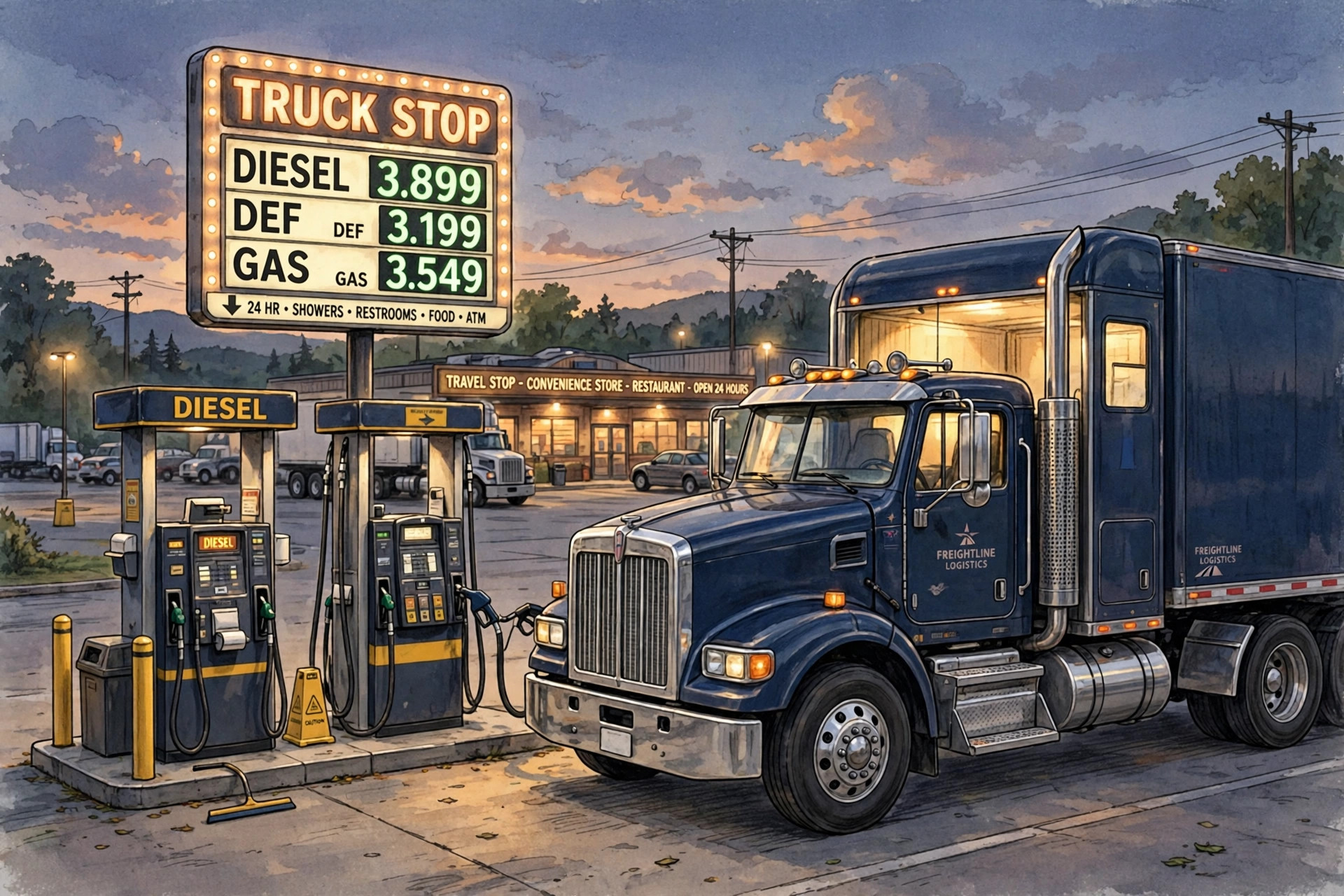
GasBuddy's daily average put diesel at $5.998 a gallon on Saturday, Nov. 14 — the first sub-$6 reading since September's record run to $6.519, with Brent crude down 18.5% in two weeks and autumn demand softening, Reuters reports.

Analysts' third-quarter verdict: a supply-driven recovery, with about 70,000 drivers taken out of a pool of a million and a half
Transport Topics' post-earnings review finds rates strengthened in the third quarter on capacity constraints and rising costs despite soft consumer demand. Stephens calls it a supply-side recovery and expects contract rates to keep rising with driver pay; Bank of America puts the enforcement-driven driver exit at somewhere around 70,000; Baird credits DOT enforcement and post-Montgomery broker scrutiny — while spot rates sit below their summer peaks.

Van spot rate hits $3.05 a mile in October, highest since early 2022
DAT's October benchmark puts dry van spot pricing at its highest monthly average since February 2022, with reefer and flatbed close behind — and contract rates for reefer and flatbed set records for a second and third straight month.
Freight demand jumps nearly 5% and van contract rates hit a 52-week high: SONAR puts tender volume at 11,600, rejections at 12.95% and van spot at $3.49 a mile
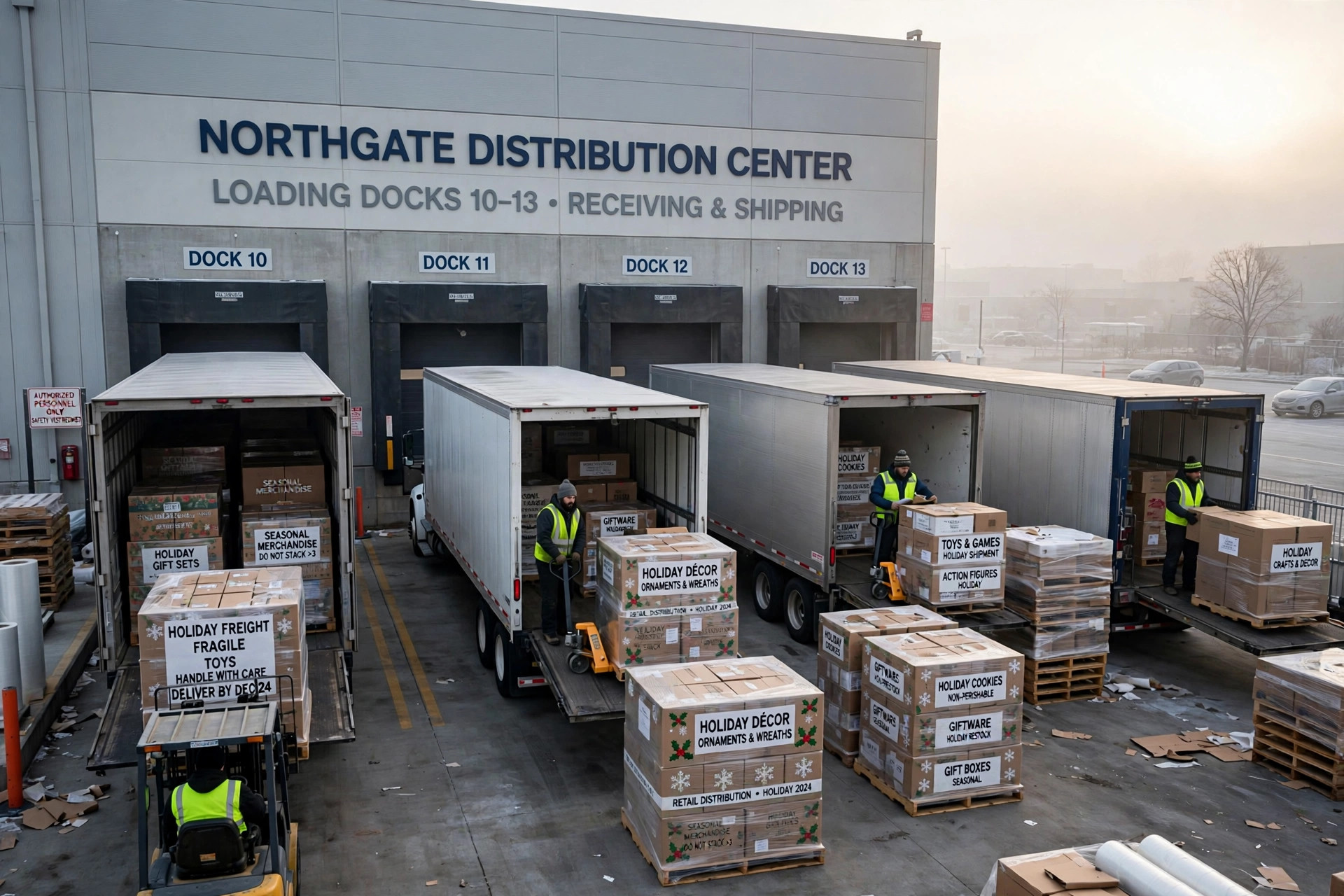
FreightWaves reports SONAR's latest review: tender volume climbed nearly 5% week over week to 11,600, a level last seen in late spring, with the tender rejection index at 12.95% and flatbed rejections at 21%. Van spot rates reached $3.49 a mile on Nov. 9, the van contract linehaul index hit a 52-week high of $2.85 a mile, LTL cost per hundredweight rose to $48.98 in October, and diesel eased about $0.06 on the week.

Diesel drops $0.165 to $6.127 in EIA's week ending Nov. 9, but the agency raises its 2027 forecast 12% to $5.03 a gallon
The U.S. Energy Information Administration reported Nov. 10 that on-highway diesel averaged $6.127 a gallon for the week ending Nov. 9, down $0.165 for a second straight weekly decline and the lowest since Oct. 12, with every region lower and California still highest at $7.897. The same day, EIA's Short-Term Energy Outlook raised its 2027 diesel forecast to $5.03 a gallon from $4.49 last month.
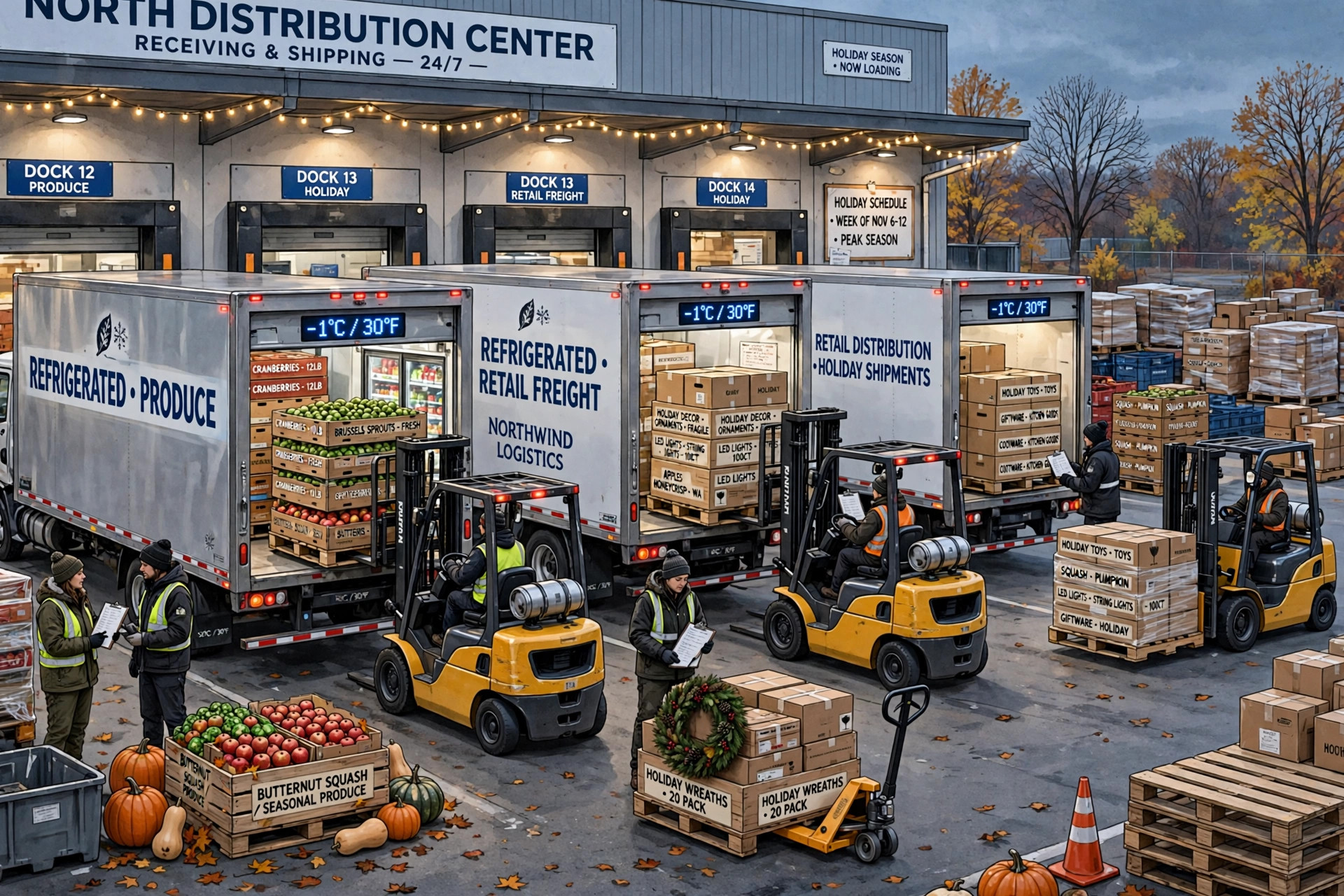
Holiday freight is moving: reefer spot climbs $0.10 to $3.70 a mile in DAT's week ending Nov. 6, and van and reefer trail only 2021 for early November
DAT's weekly release for the week ending Nov. 6, published Monday, puts the 7-day average broker-to-carrier reefer rate at $3.70 a mile, up $0.10, with reefer load posts up 16% and the load-to-truck ratio at 19.0. Van linehaul rose $0.06 to $2.26 a mile and flatbed $0.02 to $2.63, truck posts run 24% to 34% below a year ago, and DAT's 35-day forecast has van linehaul reaching $2.32 by mid-December.

ATA's Costello: the freight market has turned — but it is a supply recovery, not a demand boom, and shipper spending is up 32% on flat shipments
American Trucking Associations Chief Economist Bob Costello told his annual U.S. Bank update that capacity finally came down enough to meet demand, helped by the non-domiciled CDL, English-proficiency and training-school crackdowns that began in spring 2025. Shipments are roughly flat, but shippers paid 32% more in the third quarter — and in Texas, spending rose 37% while shipments fell 12.9%.

Oil fell more than 6% Monday on U.S.–Iran diplomacy hopes and pump diesel eased to about $6.28–$6.29 a gallon — but Goldman still puts a $140 scenario on 2027
Brent crude was $106 a barrel and WTI $97.31 on Monday morning after a selloff that began in early overseas trading, AAA put diesel at $6.292 and GasBuddy at $6.281 — and the week's relief sits on top of distillate inventories about 10% below the five-year average, with no agreement yet on reopening the Strait of Hormuz.

October LMI: transportation capacity contracts for an 11th straight month at 38, prices read 88, and new truckload contracts are resetting about 13% higher
The Logistics Managers' Index rose to 70.7 in October, its second-highest reading in over four years, as inventories surged at the fastest pace in four years, inventory costs hit their highest since March 2022, and aggregate logistics costs grew at their fastest rate since March 2022. Knight-Swift is taking the survey into bid season targeting at least double-digit contract increases.

FTR's Eric Starks: truck utilization may be near 100% and contract rates could climb toward 20% in 2027 — but fuel cash flow decides which carriers keep the gains
Speaking Oct. 28 in Dallas, the FTR chairman credited data-center construction and improving manufacturing for demand, pointed to non-domiciled CDL and training-provider constraints for the capacity squeeze, and warned that smaller carriers paying for diesel today while waiting to collect are the recovery's exposed edge.

DAT says spot linehaul rates climbed again in the week ending Oct. 31 — van $2.23, reefer $2.71, flatbed $2.61 — while Truckstop's all-in rates fell for all three types
DAT's linehaul-only board tightened in every equipment type as load posts rose and truck posts fell, with flatbed's load-to-truck ratio jumping to 41.73. Truckstop/FTR's all-in broker-posted rates for the week ending Oct. 30 fell for van, reefer and flatbed for the first time since mid-August — a fuel-component difference, not a disagreement about how tight the market is.

Covenant's CEO expects double-digit truckload rate hikes again in 2027 — and says ELD enforcement will keep pulling capacity out
David Parker told analysts Friday that carriers have to keep raising rates against driver pay, equipment and insurance inflation; SONAR's reset index already shows recently renewed contracts paying about 12.8% more than the rates they replaced, up from 4.1% a year ago.